Nutrition Basics
How to Track Macros: A Complete Beginner's Guide
Tracking macros is the most reliable way to control body composition. Here is the no-fluff beginner's guide.
June 4, 2026 · 9 min read
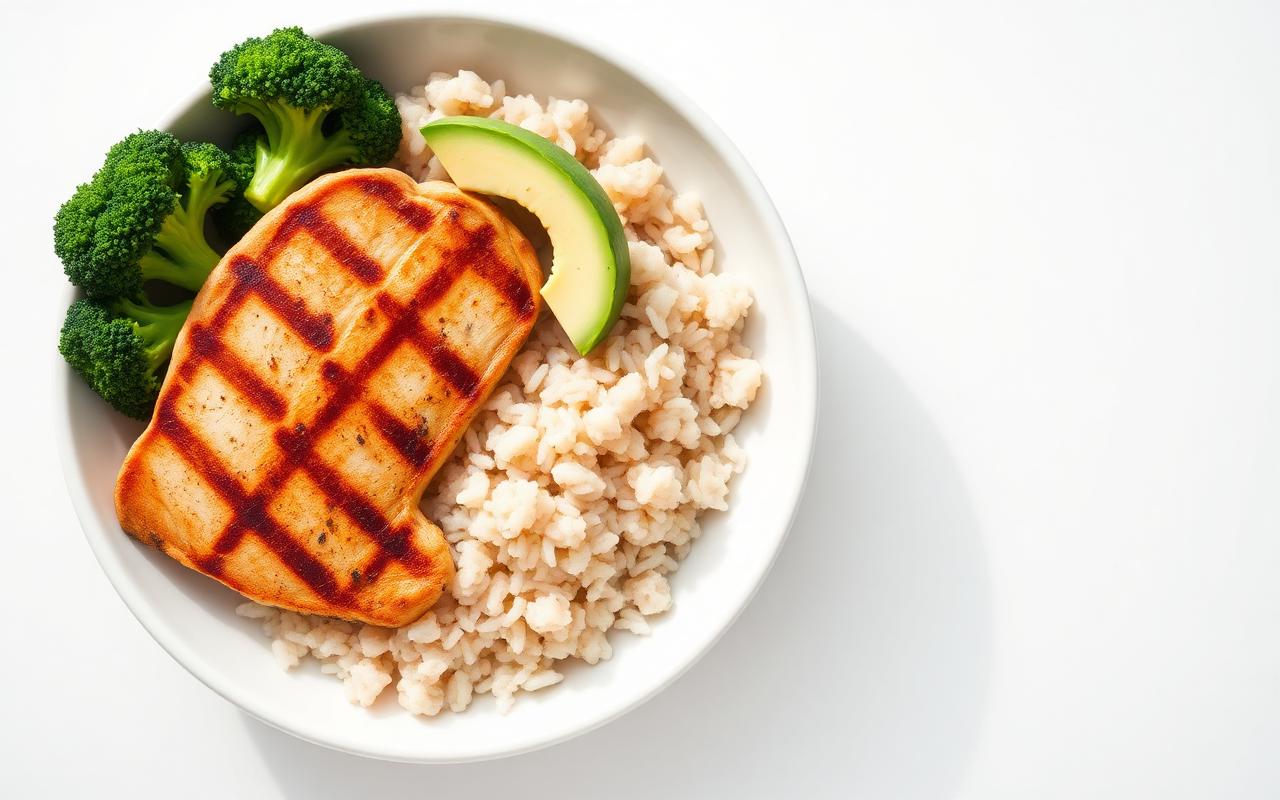
Tracking macros, or macronutrients, is the process of breaking down your daily calorie intake into the three primary categories that provide energy: protein, carbohydrates, and fats. While standard calorie counting focuses on the total energy consumed, macro tracking ensures that the quality of those calories supports specific goals like muscle preservation, hormonal health, and sustained energy levels.
Understanding the Three Macronutrients
Every gram of food you consume falls into one of three buckets. Each macro plays a distinct role in how your body functions and contributes a specific amount of energy per gram.
- Protein (4 calories per gram): Essential for repairing tissues, building muscle, and producing enzymes. Protein is also the most satiating macronutrient, meaning it keeps you full for longer.
- Carbohydrates (4 calories per gram): The body’s preferred source of energy. They are broken down into glucose to fuel your brain and muscles.
- Fats (9 calories per gram): Necessary for hormone production, brain function, and the absorption of fat-soluble vitamins (A, D, E, and K).
Because fat contains more than double the calories of protein or carbs per gram, small changes in fat intake can have a significant impact on your total daily calorie count.
Why Track Macros Instead of Just Calories?
Caloric balance determines whether you lose, gain, or maintain weight. However, macros determine your body composition—essentially what that weight is made of.
If you lose 10 pounds by eating only 800 calories of junk food, a significant portion of that loss might come from muscle tissue, leaving you with a higher body fat percentage than desired. By tracking macros, you ensure you consume enough protein to protect muscle and enough fat to maintain hormonal health, while using carbohydrates to fuel your workouts.
Step 1: Calculate Your Total Daily Energy Expenditure (TDEE)
Before you can set macro targets, you must determine your maintenance calories. This is the amount of energy your body burns in a 24-hour period based on your age, sex, weight, height, and activity level.
- Basal Metabolic Rate (BMR): The calories burned at rest.
- Thermic Effect of Food (TEF): The calories burned digesting food.
- Non-Exercise Activity Thermogenesis (NEAT): Calories burned from daily movement like walking or cleaning.
- Exercise Activity Thermogenesis (EAT): Calories burned during intentional workouts.
For a standard weight loss goal, most experts recommend a deficit of 250 to 500 calories below your maintenance level.
Step 2: Determine Your Ideal Macro Split
There is no "perfect" macro ratio for everyone, but there are science-backed ranges that work for specific goals. The National Academies of Sciences, Engineering, and Medicine provides Acceptable Macronutrient Distribution Ranges (AMDR) as a baseline for health.
| Goal | Protein % | Carbohydrates % | Fats % |
|---|---|---|---|
| Balanced/Maintenance | 20-30% | 45-55% | 20-30% |
| Fat Loss (High Protein) | 30-40% | 30-40% | 20-30% |
| Muscle Gain (Bulking) | 25-30% | 40-50% | 20-30% |
| Low Carb/Keto | 20-25% | 5-10% | 65-75% |
The "Protein First" Method
A practical way to set your macros is by grams per pound of body weight rather than percentages.
- Protein: Aim for 0.7 to 1.0 grams per pound of target body weight.
- Fats: Aim for 0.3 to 0.4 grams per pound to ensure hormonal health.
- Carbohydrates: Fill the remaining calories in your budget with carbs.
Step 3: Converting Grams to Calories
When you look at a nutrition label, the "Total Calories" is derived from the macro weight. To track accurately, you must understand the math behind the grams.
Example Calculation: If your target is 2,000 calories with a 40/30/30 split:
- Protein (30%): 600 calories / 4 = 150g
- Carbs (40%): 800 calories / 4 = 200g
- Fats (30%): 600 calories / 9 = 67g
Step 4: Tools for Success
Tracking macros manually with a pen and paper is difficult and prone to error. To be successful, you need two essential tools:
1. A Digital Food Scale
Measuring food by volume (cups or spoons) is notoriously inaccurate. For example, a "tablespoon" of peanut butter measured with a spoon can easily be 30 grams instead of the 16 grams listed on the label, doubling the calories. Weighing your food in grams ensures you are hitting your numbers precisely.
2. A Tracking Database
You need a way to look up the macro profiles of raw ingredients and branded products. Modern apps make this easier by allowing you to search for USDA-verified entries. Apps like Caloriez can scan a meal photo to log this automatically, removing the friction of searching for every individual spice or ingredient.
Step 5: How to Read a Nutrition Label
To track accurately, look beyond the "Total Calories" line on food packaging.
- Check the Serving Size: Many packages contain multiple servings. If the serving size is 50g but you eat 100g, you must double every macro value.
- Total Fat: Includes saturated, unsaturated, and trans fats.
- Total Carbohydrates: Includes dietary fiber and sugars. Note that many trackers allow you to track "Net Carbs" (Total Carbs minus Fiber), which is common in keto diets.
- Protein: Usually listed at the bottom of the macro section.
Common Challenges and How to Overcome Them
Hitting Your Protein Target
Beginners often struggle to consume enough protein. Focus on lean sources such as chicken breast, turkey, egg whites, Greek yogurt, and whey protein. If you are short on your protein goal at the end of the day, a simple protein shake can bridge the gap without adding significant fats or carbs.
Hidden Fats in Cooking
Oils and butters used in pans add high amounts of fat that people often forget to log. One tablespoon of olive oil adds 14g of fat and about 120 calories. Always account for your cooking fats.
Consistency Over Perfection
It is nearly impossible to hit your macro targets to the exact gram every day. A good rule of thumb is to stay within +/- 5 to 10 grams of each macro target. This range allows for flexibility while keeping you on track toward your weight loss or muscle-building goals.
Tracking Outdoors and at Restaurants
Restaurant meals are traditionally high in fats and sodium. When eating out, look for "simple" dishes where the components are visible (e.g., grilled salmon, baked potato, and steamed broccoli). Estimating the weight of the protein—usually the size of a deck of cards is roughly 3-4 ounces—can help you stay close to your targets.
Key Takeaways
- Prioritize Protein: Aim for 0.7-1.0g of protein per pound of body weight to maintain muscle while losing fat.
- Use a Scale: Gram-based weighing is significantly more accurate than volume-based measuring (cups/spoons).
- Understand the Math: Remember that fat has 9 calories per gram, while protein and carbs have 4 calories per gram.
- Focus on Trends: One day over your macros won't ruin your progress; look for consistency over weeks and months.
- Adjust as You Go: If you aren't losing weight after three weeks, reduce your daily carbohydrate or fat intake by 10% and continue monitoring.
Track your calories the easy way
Caloriez uses AI to log meals from a single photo — calories, protein, carbs, and fat in seconds. Free on the App Store.
Download on the App Store