Recipes
Healthy Snacks Under 100 Calories: 20 Smart Ideas
Smart snacks bridge the gap between meals without breaking your daily calorie target. Here are 20 ideas.
June 19, 2026 · 6 min read
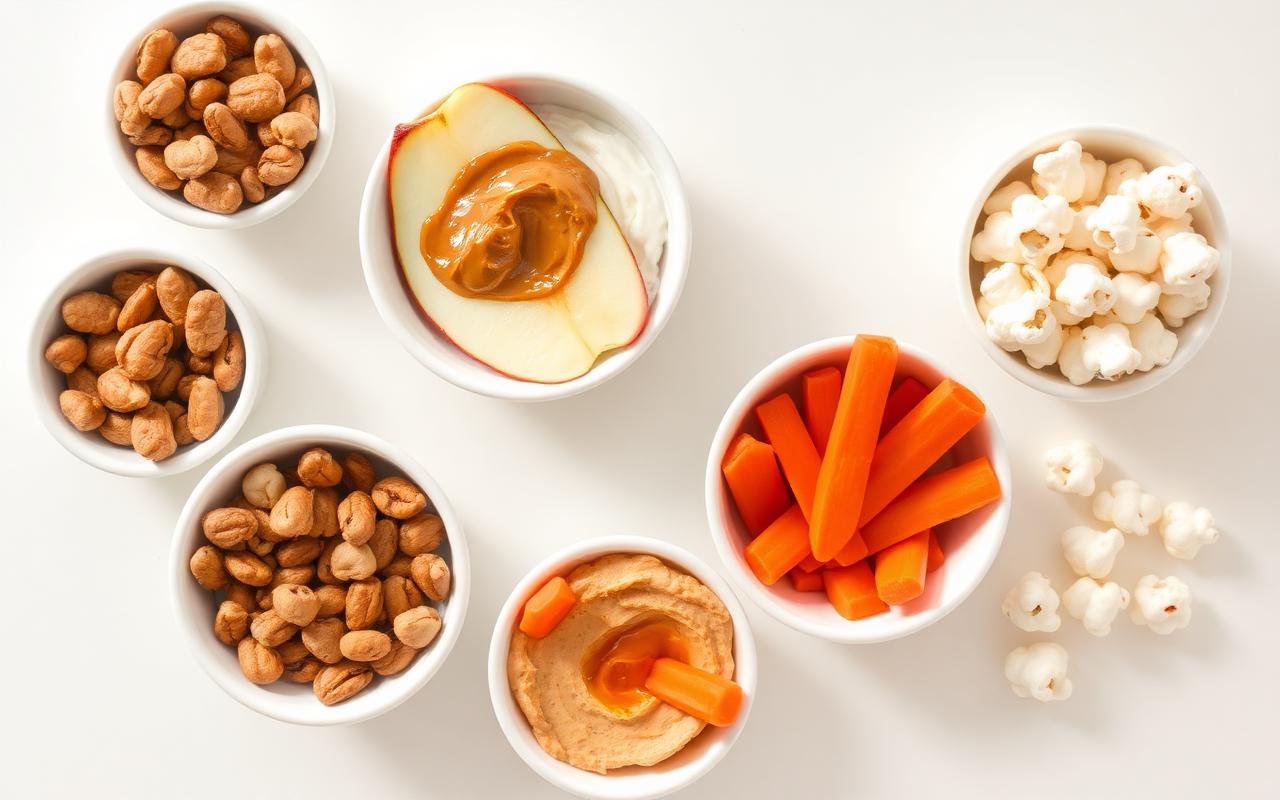
Finding snacks that satisfy hunger without derailed a calorie deficit can be challenging. While many "diet" snacks are highly processed, the most effective choices leverage volume, fiber, and protein to keep you full for longer.
An ideal snack under 100 calories provides a bridge between meals, preventing the excessive hunger that often leads to overeating at dinner. By focusing on nutrient density, you can consume a satisfying portion size while staying within your daily macro targets.
The Science of Satiety and Small Snacks
Not all 100-calorie snacks are created equal. A 100-calorie pack of cookies consists mostly of simple sugars and refined flour, which spike blood sugar and trigger a hunger response shortly after. In contrast, a 100-calorie snack rich in water and fiber—like an apple or cucumbers—stretches the stomach lining, signaling to the brain that you are full.
To maximize the benefits of a low-calorie snack, look for these three components:
- Volume: High water content allows for a larger physical portion.
- Fiber: Slows digestion and stabilizes glucose levels.
- Protein: The most satiating macronutrient, helping to preserve lean muscle mass.
Savory Vegetable-Based Snacks
Vegetables offer the highest volume-to-calorie ratio. Most non-starchy vegetables contain between 20 and 40 calories per 100 grams, making it almost impossible to exceed 100 calories in a single sitting.
- Cucumber and Hummus: 1 cup of sliced cucumbers (16 calories) paired with 2 tablespoons of traditional hummus (70 calories). Total: 86 calories.
- Bell Pepper Strips with Salsa: 1 large red bell pepper (approx. 30 calories) with 1/2 cup of fresh salsa (35-40 calories). This snack provides over 150% of your daily Vitamin C.
- Air-Popped Popcorn: 3 cups of plain, air-popped popcorn. Popcorn is a whole grain and provides roughly 4 grams of fiber for only 93 calories. Avoid butter to keep the count low; use a sprig of lime or nutritional yeast for flavor.
- Cherry Tomatoes with Balsamic: 15 cherry tomatoes (approx. 45 calories) drizzled with 1 tablespoon of balsamic glaze (20-40 calories depending on thickness).
High-Protein Snacks Under 100 Calories
Protein is essential for weight management. These options provide a significant protein hit relative to their caloric weight, helping to curb "cravings" for sweets.
- Hard-Boiled Egg: One large egg contains roughly 78 calories and 6 grams of high-quality protein. It also provides choline and Vitamin D.
- Greek Yogurt: 1/2 cup (approx. 113g) of non-fat, plain Greek yogurt contains about 70-80 calories and 12 grams of protein.
- Edamame: 1/2 cup of steamed edamame (in the pod) provides approximately 94 calories and 9 grams of plant-based protein.
- Deli Turkey Roll-ups: Two thin slices of deli turkey breast (approx. 60g) wrapped around cucumber spears or mustard. This totals roughly 60-70 calories and 10-12 grams of protein.
- Cottage Cheese: 1/2 cup of 1% low-fat cottage cheese is approximately 80 calories and contains 14 grams of casein protein, which digests slowly.
Fruit and Sweet Cravings
When you need something sweet, whole fruits provide natural sugars bundled with fiber, which prevents the "crash" associated with candy.
- Medium Apple: One medium apple (about 180g) contains roughly 95 calories and 4.5 grams of fiber.
- Frozen Grapes: 1 cup of grapes (approx. 150g) contains about 90 calories. Freezing them makes them take longer to eat, increasing psychological satisfaction.
- Raspberries and Dark Chocolate: 1 cup of raspberries (64 calories) with 1 square of 70% dark chocolate, grated or chopped (30-35 calories).
- Watermelon: 2 cups of diced watermelon. Because it is 92% water, you can eat a large volume (approx. 300g) for only 92 calories.
Quick Comparison Table
The following table compares common snack portions to help you visualize what 100 calories looks like across different food groups.
| Food Item | Portion Size | Calories (Approx.) | Key Benefit |
|---|---|---|---|
| Air-Popped Popcorn | 3 Cups | 93 | High Fiber/Volume |
| Hard-Boiled Egg | 1 Large | 78 | High Protein |
| Strawberries | 2 Cups (Whole) | 92 | Antioxidants |
| Almonds | 12-14 nuts | 98 | Healthy Fats |
| Non-Fat Greek Yogurt | 1/2 Cup | 80 | Probiotics/Protein |
| Rice Cake w/ PB | 1 Cake + 1 tsp PB | 95 | Crunch/Flavor |
| Shrimp (Steamed) | 10-12 Medium | 85 | Lean Protein |
Portable and Packaged Options
Sometimes, convenience is the priority. If you are grabbing something from a pantry or a gas station, focus on portion control.
- Low-Fat String Cheese: One stick is typically 80 calories and provides 6-8 grams of protein.
- Seaweed Snacks: Most roasted seaweed packs are only 25-50 calories per container, providing iodine and a salty crunch for very little energy density.
- Small Banana: A small banana (less than 6 inches) is about 90 calories and high in potassium.
- Dry Roasted Almonds: You must be careful here; exactly 12 to 14 almonds hit the 100-calorie mark. Almonds are calorie-dense, so pre-portioning is vital.
- Miso Soup: One packet of instant miso soup mixed with hot water is usually 35-50 calories and is excellent for hydration and savory cravings.
- Tuna Pouch: A 2.5oz "StarKist" or similar water-packed tuna pouch is roughly 70 calories and provides nearly 17 grams of protein.
How to Track Your Snacks Accurately
The most common mistake in snacking is "eye-balling" portions. While 10 almonds are 70 calories, 25 almonds are nearly 200. Using a digital food scale is the gold standard for weight loss accuracy. Measuring by grams instead of "cups" or "pieces" ensures your 100-calorie snack doesn't accidentally become 250 calories.
Tracking these small bites is just as important as tracking large meals, as "hidden" snack calories can easily add up to an extra 300-500 calories per day. Apps like Caloriez can scan a meal photo to log this automatically, making it easier to stay consistent without manual data entry.
Avoiding the "Health Halo"
Just because a snack is labeled "organic," "gluten-free," or "vegan" does not mean it is low in calories. For example, many gluten-free granola bars contain more sugar and oil than standard candy bars to make up for texture differences. Always check the nutrition facts panel for the "Per Serving" calorie count and, more importantly, the "Servings Per Container." A bag of chips may say 100 calories, but if the bag contains 2.5 servings, eating the whole bag results in 250 calories.
Key Takeaways
- Focus on volume: Choose foods like popcorn, watermelon, or cucumbers to feel physically full on fewer calories.
- Prioritize protein: Eggs, Greek yogurt, and tuna offer the best hunger suppression per calorie.
- Watch the fats: Healthy fats are essential but dense; limit nuts and seeds to small, pre-measured portions if you want to stay under the 100-calorie limit.
- Fiber is your friend: Aim for at least 3-5 grams of fiber per snack to slow digestion and maintain steady energy levels.
- Measure precisely: Use a food scale for calorie-dense items like peanut butter, nuts, and cheese to avoid overestimating your deficit.
Track your calories the easy way
Caloriez uses AI to log meals from a single photo — calories, protein, carbs, and fat in seconds. Free on the App Store.
Download on the App Store