Weight Loss
How to Break a Weight Loss Plateau: 9 Strategies
Plateaus are normal, fixable, and almost always caused by the same handful of issues. Here is what to do.
June 14, 2026 · 8 min read
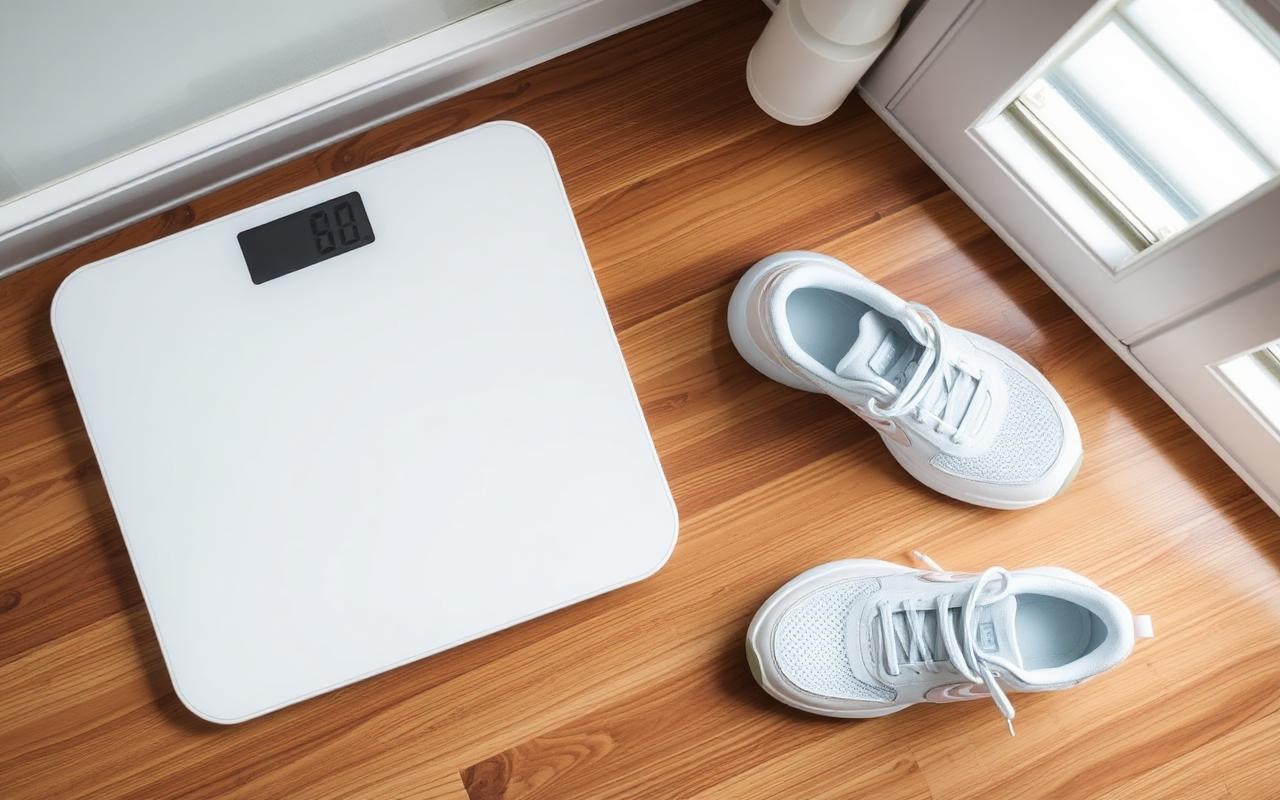
Weight loss plateaus are a standard part of the physiological journey toward a healthier body composition, though they often feel like a failure of willpower or methodology. When the scale refuses to move for three consecutive weeks despite consistent effort, your body has likely reached a state of metabolic adaptation that requires a strategic adjustment.
Understanding the Physiology of a Plateau
A weight loss plateau occurs when the caloric deficit you established at the beginning of your journey is no longer a deficit. As you lose weight, your Basal Metabolic Rate (BMR) decreases because there is less tissue to support. Additionally, the thermic effect of food (TEF) drops because you are consuming fewer total calories, and your non-exercise activity thermogenesis (NEAT) often declines as your body tries to conserve energy.
To break a plateau, you must either decrease energy intake further, increase energy expenditure, or implement psychological and physiological "resets" to improve metabolic flexibility.
1. Recalculate Your Maintenance Calories
Many people fail to break a plateau because they are still eating for the body weight they had 15 or 20 pounds ago. If you started at 220 pounds and now weigh 200 pounds, your daily maintenance calories may have dropped by 150 to 250 calories.
Use a standard formula like the Mifflin-St Jeor equation to find your new Total Daily Energy Expenditure (TDEE). If your calculated TDEE was 2,500 calories at the start and is now 2,250, eating at your old "deficit" of 2,000 calories only provides a 250-calorie gap—not enough to see rapid change.
2. Increase Protein Intake to 0.8g-1g per Pound
Protein has the highest thermic effect of any macronutrient, meaning your body burns more energy processing it. While fats and carbohydrates have a TEF of roughly 5% to 15%, protein requires 20% to 30% of its energy value just for digestion and assimilation.
Increasing protein also protects lean muscle mass during a calorie deficit. To break a plateau:
- Aim for 0.8 to 1.0 grams of protein per pound of target body weight.
- Prioritize lean sources like chicken breast, white fish, egg whites, and Greek yogurt.
- Distribute protein evenly across 3–5 meals to maximize muscle protein synthesis.
3. Implement a Controlled "Refeed" or Diet Break
Prolonged calorie restriction can lead to a drop in leptin (the satiety hormone) and an increase in ghrelin (the hunger hormone). A "refeed" involves increasing your calories to maintenance levels for 24 to 48 hours, specifically by increasing carbohydrate intake.
A full diet break lasts 1 to 2 weeks. Research suggests that intermittent periods of eating at maintenance can prevent the metabolic slowdown associated with continuous restriction. During a diet break, you should:
- Increase calories by 300 to 500 per day (returning to maintenance).
- Maintain high protein intake.
- Focus on complex carbohydrates to replenish glycogen stores.
4. Track Every Gram and Ounce
"Calorie creep" is the most common cause of a plateau. Over time, many people stop weighing their food and begin "eyeballing" portions. Studies show that people often underestimate their caloric intake by 30% to 50%.
| Food Item | "Eyeballed" Portion | Actual Weight/Calories | Variance |
|---|---|---|---|
| Peanut Butter | 1 tbsp (95 cal) | 32g (2 tbsp) (190 cal) | +95 cal |
| Olive Oil | 1 tsp (40 cal) | 1 tbsp (120 cal) | +80 cal |
| Almonds | 1 handful (~160 cal) | 1.5 oz (240 cal) | +80 cal |
| White Rice | 1/2 cup (100 cal) | 1 cup (200 cal) | +100 cal |
Small errors in measurement across three meals and snacks can easily add up to 400-500 hidden calories, completely erasing a deficit.
5. Prioritize Strength Training over Steady-State Cardio
While cardio burns calories during the activity, strength training builds muscle tissue, which is metabolically active even at rest. One pound of muscle burns approximately 6 calories per day at rest, while one pound of fat burns approximately 2 calories.
To overcome a stagnant scale, switch from long-duration, low-intensity cardio to a structured resistance training program 3 to 4 times per week. Focus on compound movements:
- Squats
- Deadlifts
- Bench Presses
- Rows
These exercises recruit the most muscle fibers and trigger a higher hormonal response for fat loss.
6. Audit Your Fiber Intake
Fiber is the "secret weapon" for weight loss because it slows digestion and promotes satiety without adding significant calories. Most Americans consume only 10–15 grams of fiber per day, whereas the goal for weight loss should be 25–35 grams.
High-fiber foods like raspberries (8g per cup), black beans (15g per cup), and broccoli (5g per cup) fill the stomach and reduce the likelihood of overeating later in the day. Increasing your fiber by 10 grams per day is associated with an automatic reduction in calorie intake for many individuals.
7. Monitor "Liquid Calories" and Condiments
Plateaus are often hidden in the things we don't consider "food." A latte with whole milk and syrup can contain 250 calories. A salad might be healthy, but two tablespoons of ranch dressing add 140 calories and 15g of fat.
Switch to:
- Black coffee or espresso with a splash of almond milk.
- Balsamic vinegar or lemon juice instead of creamy dressings.
- Sparkling water instead of soda or "health" juices.
8. Focus on NEAT (Non-Exercise Activity Thermogenesis)
Exercise accounts for only about 5% to 10% of your daily energy expenditure. NEAT—which includes walking, fidgeting, and standing—accounts for up to 15% to 30%. When you diet, your body subconsciously tries to move less to save energy.
If you are stuck, set a step goal. If you currently average 5,000 steps, increase it to 8,000 or 10,000. This incremental movement can burn an extra 200 to 400 calories per day without the "hunger spike" often caused by intense gym sessions.
9. Improve Sleep and Manage Cortisol
High stress and poor sleep lead to elevated cortisol. High cortisol levels promote water retention and visceral fat storage. If you are sleeping less than 7 hours per night, your body may be holding onto water weight, masking fat loss on the scale.
In one study, dieters who slept 8.5 hours lost 55% more body fat than those who slept 5.5 hours, even though both groups ate the same number of calories. If you are training hard and eating right but not sleeping, the plateau may be hormonal rather than caloric.
Implementation and Tracking
Breaking a plateau requires precision. Guesswork is the enemy of progress when your body is in a state of adaptation. Using technology to log your intake ensures that "calorie creep" doesn't sabotage your efforts. Apps like Caloriez can scan a meal photo to log this automatically, removing the friction of manual entry and helping you maintain the precision needed to see the scale move again.
Consistency over a 14-day period with these new adjustments is usually enough to see a "whoosh" effect, where the body finally releases stored water and weight.
Key takeaways
- Recalculate your TDEE every 10–15 pounds lost to ensure your deficit still exists.
- Prioritize 0.8g–1g of protein per pound to maximize the thermic effect of food and protect muscle.
- Audit your measurements using a digital food scale to catch hidden calories in oils, nuts, and dressings.
- Increase NEAT by hitting a daily step goal (8,000+) to offset metabolic adaptation.
- Sleep at least 7–8 hours to regulate cortisol and leptin levels for optimal fat burning.
Track your calories the easy way
Caloriez uses AI to log meals from a single photo — calories, protein, carbs, and fat in seconds. Free on the App Store.
Download on the App Store